GTA VI tracks your crimes. What can that tell us about your playstyle?
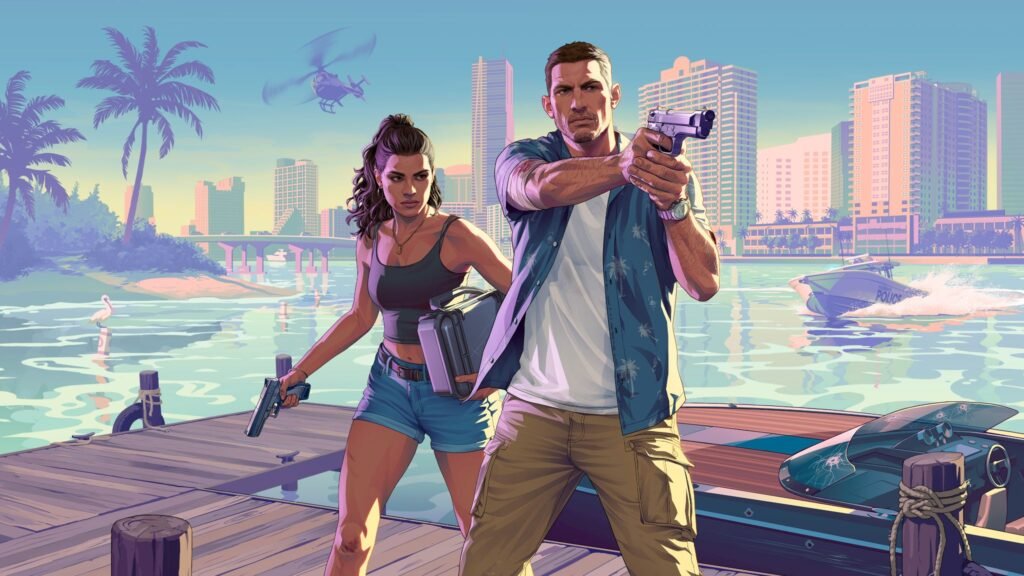
You can shoot a stranger, rob a shop or pick a fight for the pleasure of seeing what happens. Rockstar’s recreation of Miami asks how far people will go when they can come back from almost anything.
In Grand Theft Auto VI, you can open fire on a street full of people who have done nothing to you. If the police kill your character, the game brings you back to a safe spot nearby. You can lose the cash in your pocket. You can also go back out and do it again. How much of the appeal lies in the act itself, and how much lies in knowing they can walk away?
Public shootings and indiscriminate killing
Rockstar draws a line between killing in a firefight and shooting bystanders. A Shacknews reviewer reported 457 virtual kills before the final missions. His count included civilians, police, soldiers and other enemies. The game still rated both Jason Duval and Lucia Caminos as “Professional”. Repeated attacks on civilians can push either character towards “Irredeemable”, a rating that lasts for the rest of the playthrough. A player can respawn and keep the profile they earned. That makes the police chase only part of what a public shooting can cost.
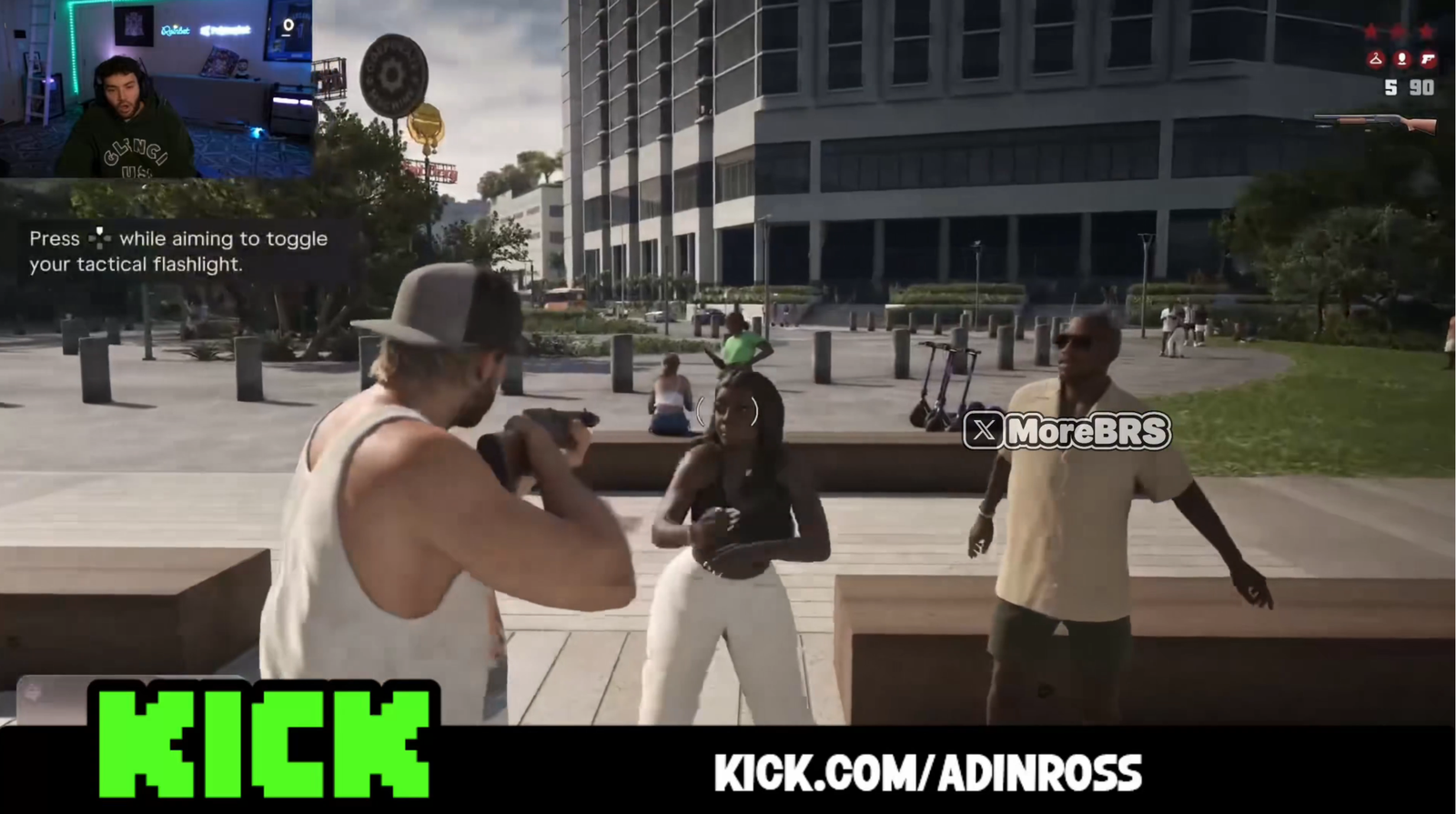
Robbery and antisocial behaviour
In a demonstration for The Guardian, Lucia threatened guards at a jewellery shop until they surrendered. Another guard opened fire, and Jason knocked him out. The robbery gave the player a reason to threaten people and room to leave them alive. A hold-up poses a specific test of restraint. Once you have the money, do you leave the people in the shop alone?
Between missions, players can steal a car, insult a passer-by or ram another driver. A stranger may throw a punch. A driver may chase you. Picking a fight on an ordinary street can turn the reaction itself into the reward. The more convincingly Rockstar makes a stranger react, the more there is for a player to discover by provoking them.
Upskirting and sexualisation
On 18 November 2026, Core Culture (@coresculture) shared a GTA VI livestream clip on X with the caption “So we’re looking up people’s skirts in GTA now🤔😭”. At 1:03 in the clip, the in-game camera looks up a female character’s skirt. The near-realistic graphics make the shot feel familiar. If the defence is that the game lets you, a real camera lets you take the same shot. With someone’s privacy at stake, would you?

Rockstar’s sexualisation of women is easier to document. The US ratings board describes lap dances in which players can choose to have their character touch a dancer’s breasts. Australia’s classification board says the game ties some sexual activity to incentives and rewards. Rockstar designs the encounter, decides who gets to act and gives the player a reason to take part. Those decisions shape what any record of player behaviour would show.
A social experiment at scale
Rockstar has counted virtual crimes before. Its GTA IV Police Blotter mapped crimes from connected players’ single-player sessions. Today, Rockstar’s privacy policy says the company automatically collects gameplay information across its services, including achievements, performance, platform identifiers and IP addresses, even when users do not register. Rockstar says it can link those records to other information and use analytics to understand its users. Take-Two’s terms point account holders to the privacy policy. Rockstar’s public documents leave open whether it receives GTA VI’s Criminal Profiles or the individual actions behind them.
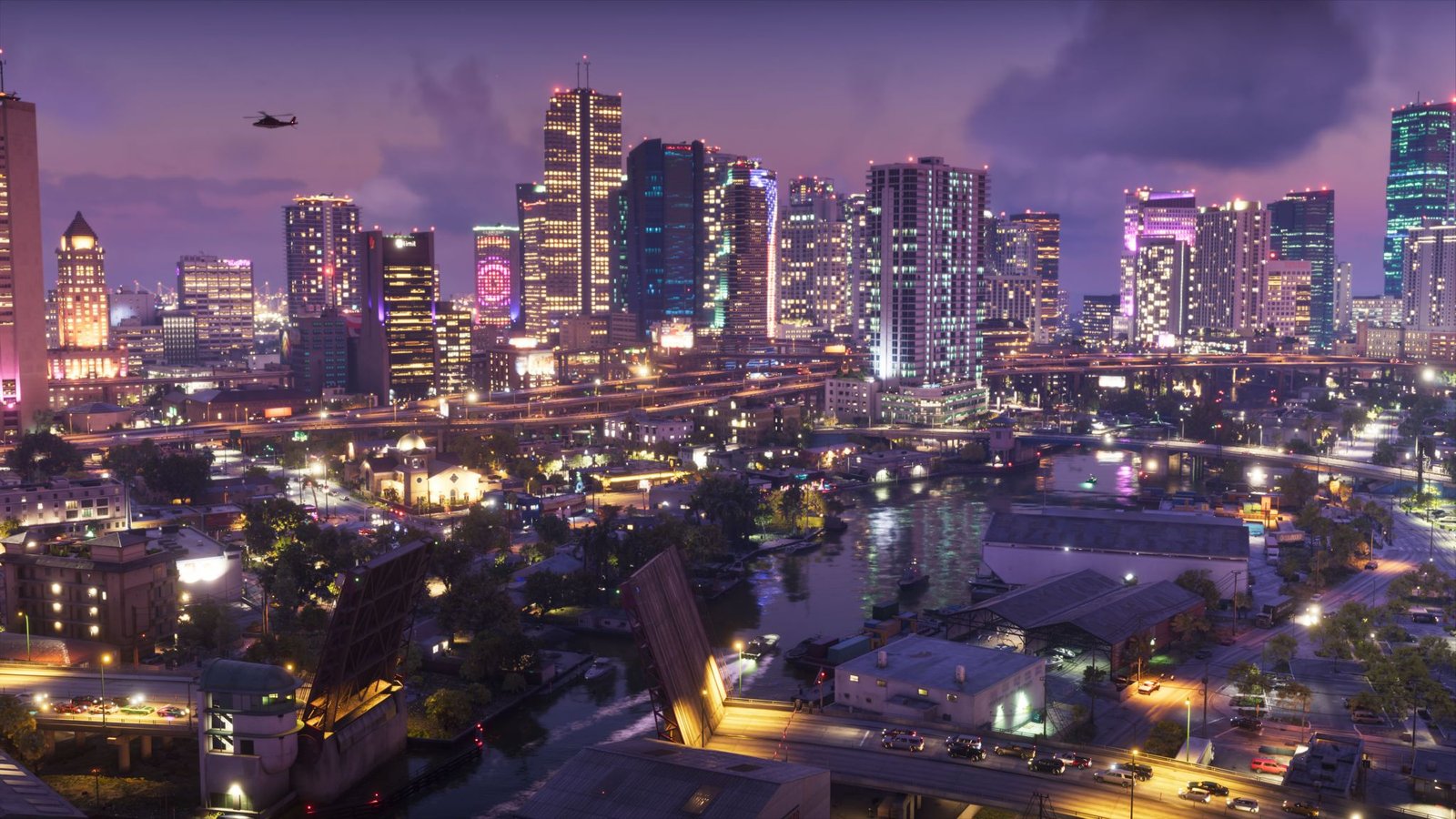
A city this size resembles a vast social experiment. Researchers would need to count how many people choose to shoot a bystander outside a mission, as well as how often they do it. A few prolific players could account for much of the killing. Researchers could vary the cost of dying and ask players what they wanted from the encounter. In one experiment, psychologists Tilo Hartmann and Peter Vorderer found that framing virtual violence as part of a game or experiment reduced guilt. A player may want to commit the act precisely because they know they cannot hurt anyone. Outside the game, the chance of getting caught matters more for deterrence than the severity of punishment.
What officials said
“Don’t confuse virtual entertainment with real-life decisions,” Atlanta Police wrote on 17 November. South Fulton police in Georgia put it in the game’s terms. “There’s no respawn, restart, or undo button.” Aurora police in Colorado added, “Robbing a convenience store is not a legitimate side hustle.”
In England, Derbyshire Constabulary turned footage of a real pursuit into a GTA-style video. “Thirteen years is a long time to wait for the game, but nothing excuses driving like this in real life,” the force wrote. The driver received a 14-month prison sentence.
Downing Street called Rockstar Games “a British success story made in Edinburgh”. Scottish Green MSP Iris Duane lodged a motion congratulating Rockstar’s workers and backing their union recognition ballot. In Miami-Dade, Sheriff Rosie Cordero-Stutz urged officials to “seriously consider the message we send” when the county promotes a fictional identity built around crime.
Rockstar made its biggest and most detailed open world to date. Sony said GTA VI broke the PlayStation Store’s pre-order record before its 19 November launch. The achievement makes the question harder to shrug off. Rockstar gives strangers enough life that a player can recognise someone going about their day and still decide to ruin it for a few seconds of amusement. Vice City lets us indulge the desire to get away with something. In the real world, the police could look the other way and the harm would still fall on someone else.
More investigations
View all
The apps that watch you: how stalkerware enables tech-facilitated abuse
Apps sold as parental control let abusers read a partner’s messages, track their location and stay hidden. Intel…
How propaganda travels across borders and online platforms
A comparison of how pro-Taliban, pro-Russia, pro-China and pro-Iran networks produce and amplify propaganda, and how organic and…
Insurgent attacks in southern Thailand: geolocation and analysis
Nine attackers, ninety seconds and two CCTV cameras. Intel Focus geolocates the checkpoint ambush that killed five Thai…